
How Hydraulic Brake Line Flaring Tool Kits Improve Brake Safety
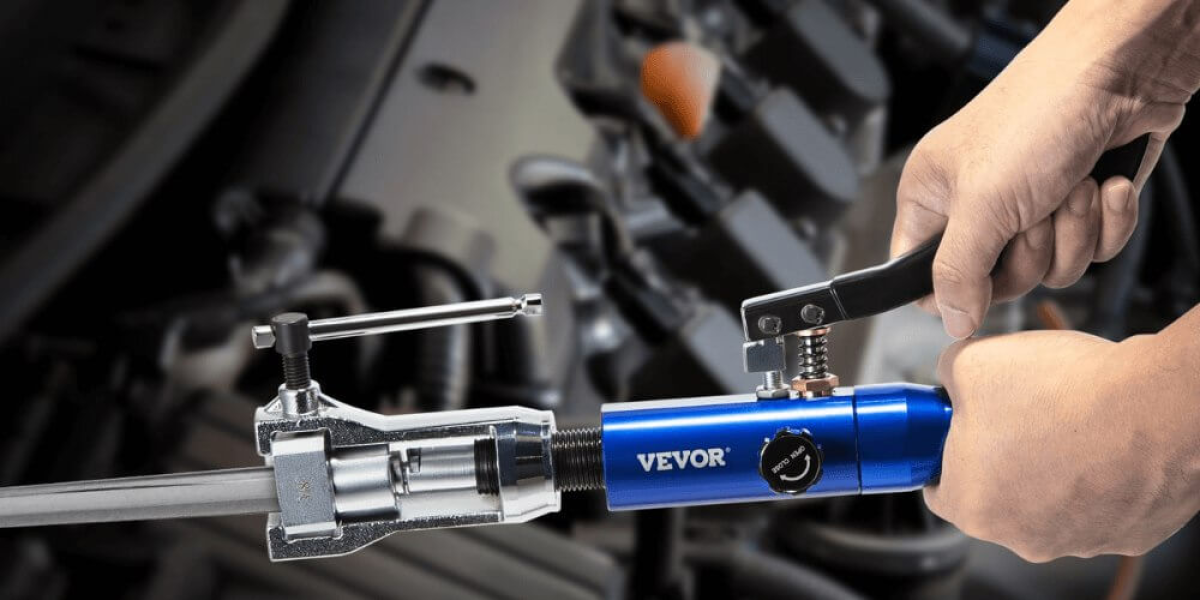
How proper brake line flaring changes every repair result
Brake work can feel simple until one weak flare causes leaks, soft pedals, or uneven pressure. That tiny connection matters more than most people expect. A poor flare can turn a quick repair into a long weekend full of frustration. Many drivers learn this the hard way after dealing with fluid loss or unsafe braking. That is why more repair shops and home mechanics now focus on cleaner flare connections instead of rushing through the process. Small details often decide whether a brake system lasts for years or fails early.
Modern repair jobs are becoming easier with tools designed for accuracy and repeatable results. Some mechanics still use old manual kits, but many now prefer systems equipped with hydraulic brake line flaring tools because they reduce hand strain and improve consistency. This guide explains how these tools work, why clean flares matter, and what users should watch for before starting a project. You will also learn how proper preparation improves sealing strength and keeps brake systems safer for daily driving. Let’s be honest, nobody wants to redo the same brake line twice because of one uneven flare. A little extra care upfront saves time, money, and stress later.
Why brake line flaring accuracy matters for every vehicle
Brake pressure depends on tight and secure line connections. Even a small crack can create major trouble while driving. That is why flare quality matters so much in modern vehicles. A clean flare helps fluid move smoothly without leaks. It also keeps pressure balanced during hard braking situations. Drivers often blame brake pads first, but weak flares can quietly create problems too. Uneven pedal feel, delayed stopping, and fluid seepage may all point toward poor flare connections.
Many repair jobs fail because the tube was not cut evenly or clamped correctly. You might be wondering why professionals spend extra time preparing brake lines before flaring them. The answer is simple. Preparation controls the final result.
Key factors that improve flare quality include:
• Smooth tube cutting
• Proper deburring before flaring
• Correct clamp pressure
• Matching flare types carefully
• Using stable hydraulic pressure
Hydraulic systems reduce uneven hand force during the flaring process. That means cleaner shapes and fewer damaged lines. Some older manual tools create inconsistent pressure, especially during long repair jobs. Hydraulic kits help reduce that issue. They also make repeated flares feel less tiring. For mechanics handling multiple vehicles weekly, that small difference matters a lot.
How hydraulic systems simplify difficult brake line repairs
Traditional flaring tools often require strong hand pressure and steady alignment. That combination sounds easy until you work under poor lighting or tight vehicle spaces. Hydraulic systems simplify the process because pressure stays controlled from start to finish. This creates smoother flares with less effort. Many first-time users notice better results immediately after switching to hydraulic operation.
You do not need years of shop experience to improve flare quality. A stable hydraulic setup guides the tube evenly during compression. That helps prevent crooked or split flares. It also reduces wasted material in the brake lines. Nobody enjoys cutting a fresh line twice because the first flare failed. That gets old fast.
Here are several benefits users often notice:
• Faster flare completion
• Better consistency between connections
• Reduced hand fatigue
• Cleaner sealing surfaces
• Less risk of tube damage
Hydraulic systems also support multiple flare styles used across different vehicle brands. This flexibility helps mechanics handle more repair situations without constantly changing equipment. Many modern kits include adapters for common brake line sizes, too. That makes repair work smoother for both professionals and home users. Cleaner flares usually mean fewer leaks and safer driving afterward.
What to check before starting a brake line flaring project
Preparation often decides whether a repair goes smoothly or turns stressful. Before starting any flare work, inspect the brake tubing carefully. Bent or corroded lines may fail even after proper flaring. Clean tubing creates stronger seals and reduces future leaks. Spending a few extra minutes checking the material can save hours later.
Tube length matters more than many beginners expect. Cutting too short creates alignment problems during installation. Always measure carefully before trimming the line. A proper cut keeps the flare centered and balanced. Crooked cuts usually create weak sealing surfaces.
Before beginning the job, check these important areas:
• Tube condition and cleanliness
• Correct flare adapter size
• Stable mounting position
• Proper brake fluid compatibility
• Matching flare standards
Another common mistake involves rushing the deburring process. Sharp edges can damage the flare during compression. Smooth tube ends create cleaner final shapes. Some mechanics skip this step because they feel confident. Then the flare leaks during pressure testing. That is frustrating and avoidable. Good preparation helps every tool perform better, regardless of skill level.
How better flaring habits help create safer brake performance
Brake systems rely on pressure balance across every connection point. One poor flare can weaken the entire setup. That is why consistent repair habits matter so much. Careful flaring creates stronger seals and reduces future maintenance problems. Drivers often notice improved pedal response after properly replacing damaged brake lines.
Safe brake repairs are not about speed. They are about accuracy and patience. Taking extra time during setup often prevents expensive mistakes later. Mechanics who use cleaner flaring methods typically experience fewer leaks and callbacks. That improves confidence during every repair job.
We covered why flare quality matters, how hydraulic systems improve consistency, and the preparation steps that lead to stronger results. These details may seem small at first, but they directly affect brake safety and long-term reliability. Better tools and better habits work together to create cleaner repairs that last longer. If you want smoother brake line repairs with fewer mistakes and more reliable connections, now is the right time to improve your process and work with equipment built for accuracy.


